
Diabetic Foot Care: Daily Tips for Healthy Feet
Diabetic foot care starts with a few everyday habits. Checking your feet, keeping them clean, and wearing properly fitted shoes can help you spot changes early and protect your skin.
Whether you’ve recently been diagnosed with diabetes or have managed it for years, caring for your feet belongs in your daily routine.
Why Does Diabetes Affect Your Feet?
Diabetes can damage the nerves in your feet, causing tingling, numbness, or reduced sensation. This condition, called diabetic neuropathy, may make it difficult to notice a blister, cut, or something rubbing inside your shoe.
Diabetes can also reduce blood flow, making wounds harder to heal. That’s why daily checks matter—even when your feet feel fine.
Check Your Feet Every Day
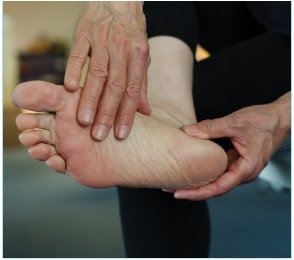
Look at the tops, bottoms, and sides of both feet, including between your toes. A mirror or help from a family member can make hard-to-see areas easier to check.
Contact your healthcare provider promptly if you notice a new sore, blister, redness, swelling, or other concerning change. Don’t rely on pain to tell you something is wrong.
Keep Feet Clean and Dry
Wash daily with mild soap and warm—not hot—water. Avoid soaking your feet, and dry them thoroughly, especially between your toes.
Apply a thin layer of moisturizer to dry skin on the tops and bottoms of your feet. Keep lotion out of the spaces between your toes, where excess moisture can contribute to infection.
Choose Shoes That Fit Properly
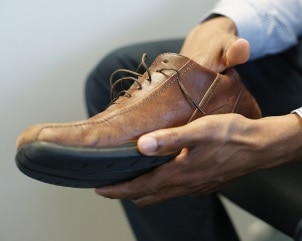
Wear shoes and socks indoors and outdoors. Before putting shoes on, check inside for debris or rough lining. Choose a comfortable fit with room for your toes.
Your foot-care professional can advise whether you need extra-depth shoes, inserts, or other therapeutic footwear.
Wear Comfortable Socks
Choose clean, well-fitting socks with light cushioning and smooth seams. Avoid tight bands that leave deep marks.
Ask your healthcare provider which sock features are appropriate for your feet. If you are considering compression socks, check with your provider before wearing them, particularly if you have reduced circulation or loss of sensation.
Keep Up With Professional Foot Care
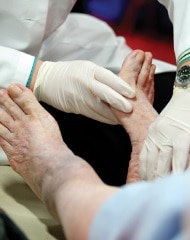
Arrange a thorough foot exam at least annually. Your healthcare provider may recommend more frequent exams depending on your needs.
Ask a podiatrist for help with nail care, corns, or calluses when needed. Do not cut corns or calluses yourself or use over-the-counter corn-removal products.
Medicare Part B may cover therapeutic shoes and inserts for eligible patients. Certification and supplier requirements apply. Ask your healthcare provider and supplier about eligibility before purchasing.
This article is for general education. Follow your healthcare provider’s individual foot-care recommendations.
Helpful Resources
Images courtesy of NIDDK.